



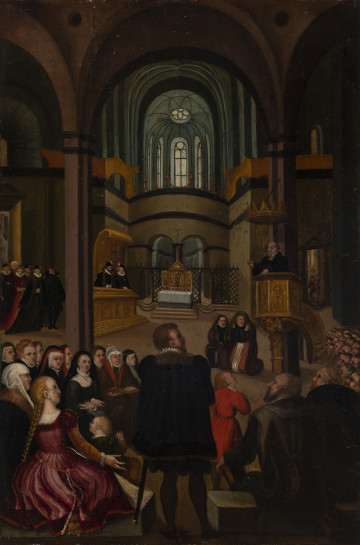
Kazanie w kościele ewangelickim | Sermon in a Protestant church
3. ćwierć XVI wieku
National Museum in Szczecin
Part of the collection: European classics of modernity
The Recovered Territories – a post-German area stretching between Masuria and Warmia, Western Pomerania, Lubusz Land as well as Lower and Upper Silesia – were, according to the official slogan, "returning to the motherland" after several centuries of separation. As the term "Slavic Szczecin" could only be applied to the period between the 10th and 12th centuries, propaganda resorted to various forms of historical manipulation, ignoring the later dating of the city's preserved architectural and artistic substance. The close relationship between the Pomeranian Griffin dynasty and the Polish Piasts was emphasised, with monuments worthy of preservation being chosen: the Church of St Jacob and St Peter and Paul, the old town hall and especially the castle dubbed the 'Wawel of the North'.
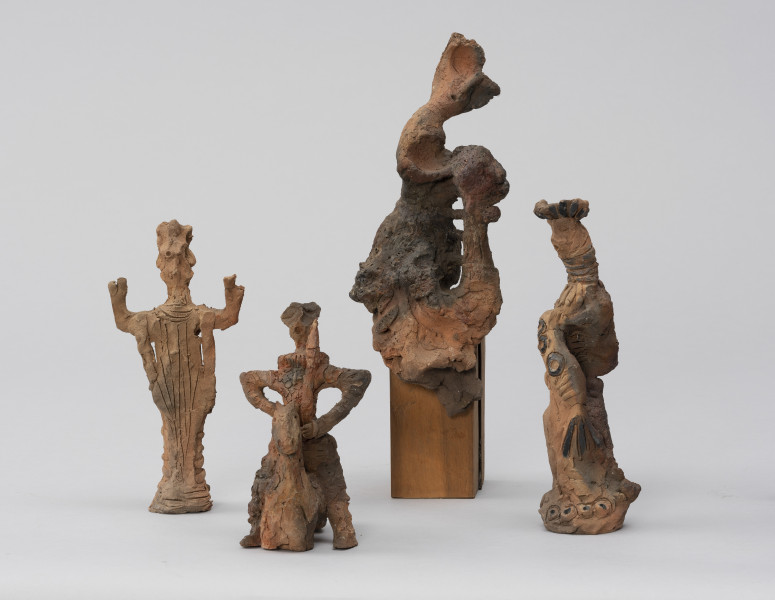
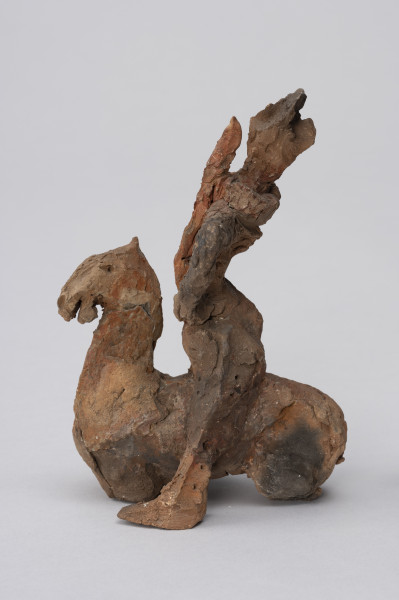
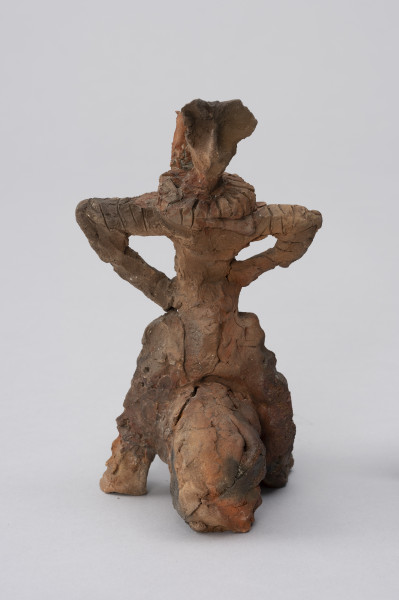
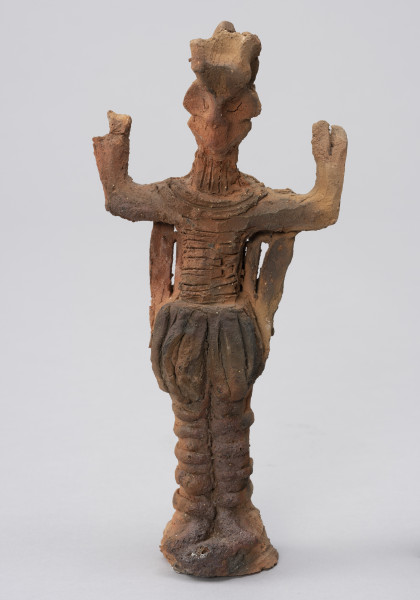
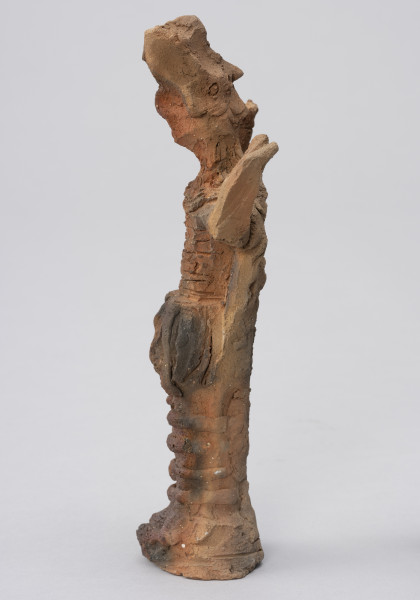
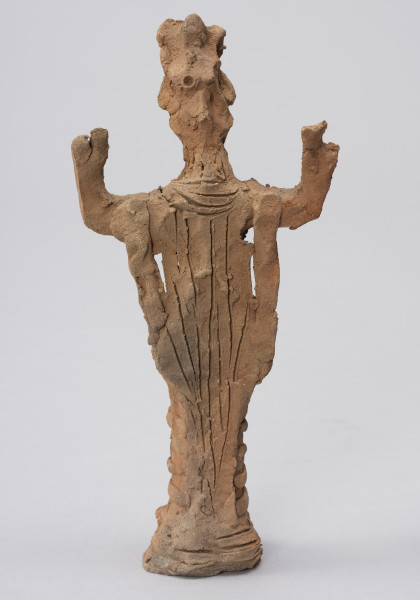
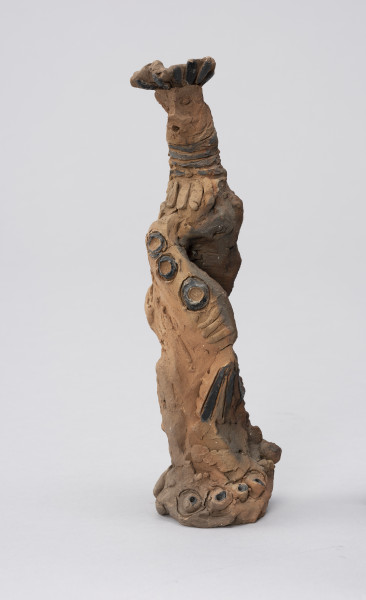
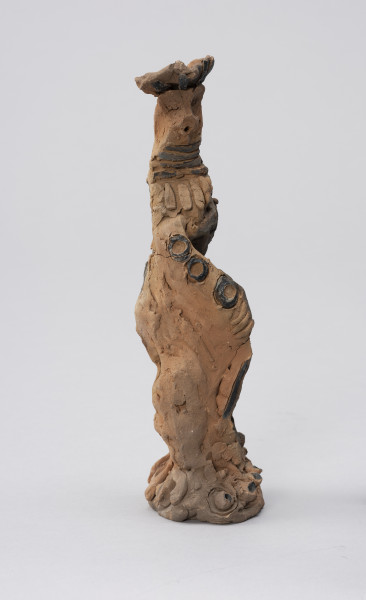
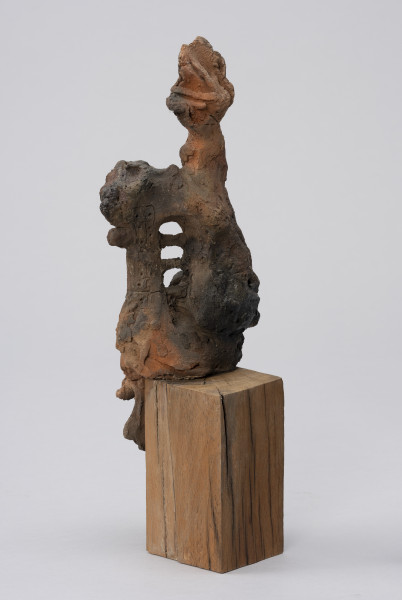
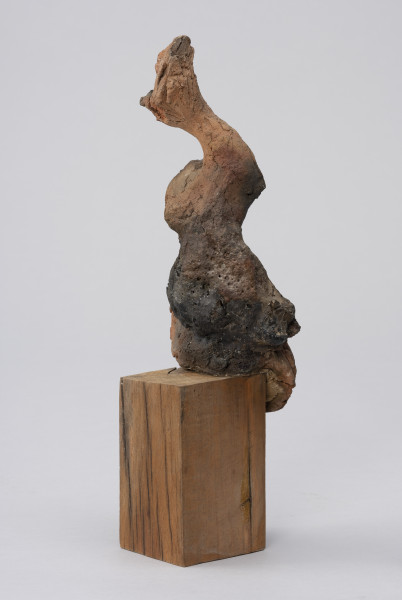
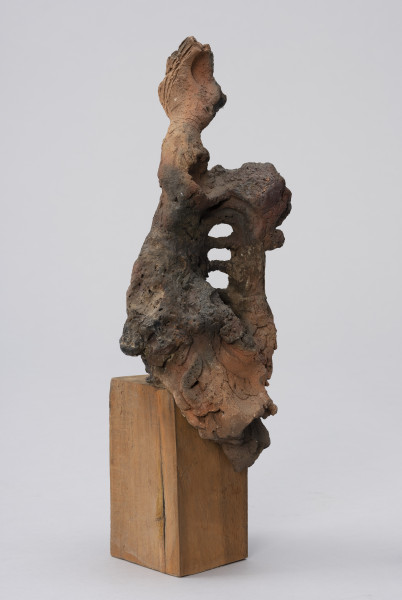
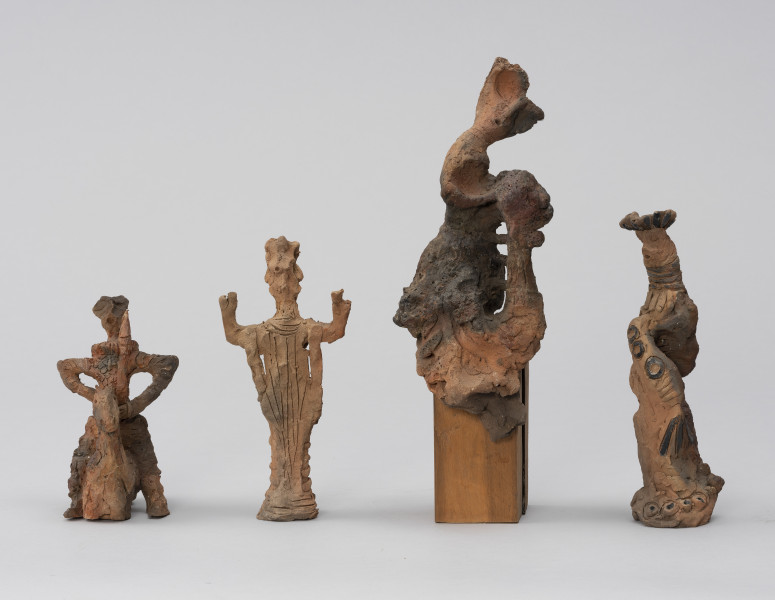
In the latter, 14 sarcophagi of the ducal family were discovered, filled with relics of Renaissance costumes. The event was not only noted by the national media, but also by local writers and visual artists. In December 1946, three months after the opening of the tin tombs, Sławomir Lewiński presented the painting Crypt with ashes of the Piasts in the Szczecin Castle during the Second Exhibition of Works by Members of the Association of Polish Artists in the City Museum. He returned to this theme in 1960, preparing a bust of Boguslaw X, modelled on 16th-century iconography, for the local primary school 36. Two years later, experimenting with firing techniques in a self-built ceramic kiln, he made the sculptural group Twilight of the Kings. He combined elements of Renaissance costume, dismembered as if on an archaeological site, with a primitive, semi-abstract form, a terracotta magma – smoky, parched and cracked like the bricks of Gothic buildings salvaged from the conflagration of war.
Szymon Piotr Kubiak
Author / creator
Object type
sculpture
Technique
modelling, firing
Material
ceramic
Origin / acquisition method
purchase
Creation time / dating
Creation / finding place
Owner
The National Museum in Szczecin
Identification number
Location / status
3. ćwierć XVI wieku
National Museum in Szczecin
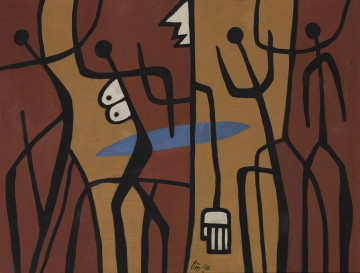
1956
National Museum in Szczecin
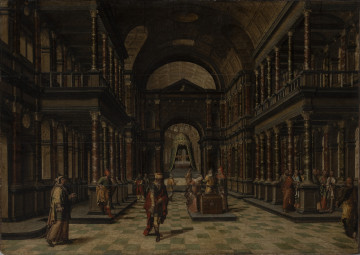
1600 — 1625
National Museum in Szczecin
DISCOVER this TOPIC
Museum of King Jan III's Palace at Wilanów
DISCOVER this PATH
Educational path